

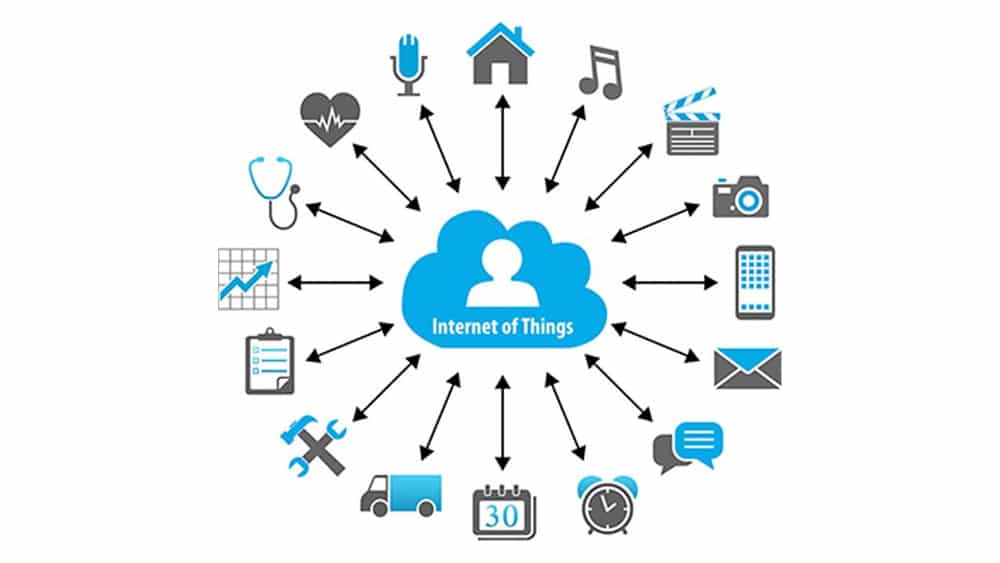
Internet of Things is a basic concept of connecting any devices with an on and off switch to the internet, inclusive of things like mobile phones, wearable devices, coffee machine, lamps and many more that you can think of.
Life has been made easier thanks to the Internet of Things (IoT), but is it actually a good or bad thing?
Simple things like switching on the air-con, lights, fans can be easily done by automation now due to the advanced technology. However, as technology advances day by day, is it making us humans productive or actually lazier and over-reliant on technology that we lose touch with ourselves and others??
Advantages of IoT
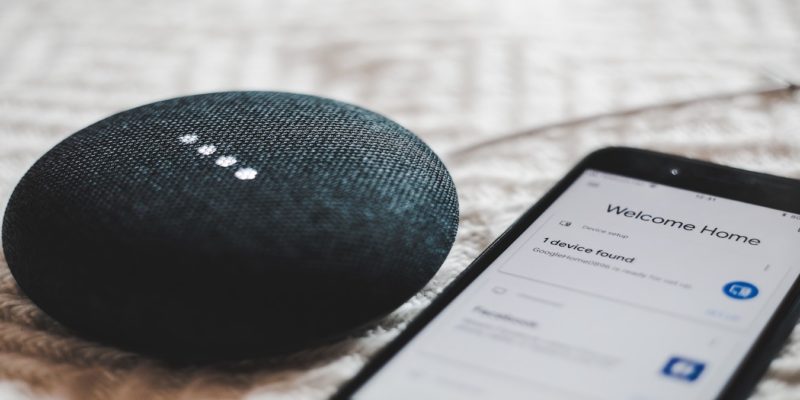
We can’t deny the fact that how the Internet of Things provides information and convenience for many of us and helped in time-saving and ease worries.
There are so many things going through our mind every day, we barely even remember what we did yesterday. Isn’t it convenient receiving what you ordered online at your doorstep when you reach home from work after a long day? Or speaking to smart speakers such as Alexa or Google Assistant to arrange your groceries list so it saves time when you stroll the isles of the supermarket without forgetting what you want to get?

“Alexa, turn on the lights”, “Alexa turn on the TV”, “Alexa add instant noodle to my shopping list” “Alexa…, Alexa…, Alexa…..”
The fine line between convenience and laziness.
Who doesn’t enjoy being able to answer the doorbell without moving your butt out of the couch/bed, or ordering food delivery with your mobile phone from outside and receive it once you reach home? Convenience is making us lazy! But we can’t deny that we love it.
Disadvantages of IoT
However, there’s always pros and cons of everything. While IoT is excellent in storing data in devices to provide convenience and time-saving, but there are some concerns that IoT has such as security, dependability, complexity and more.
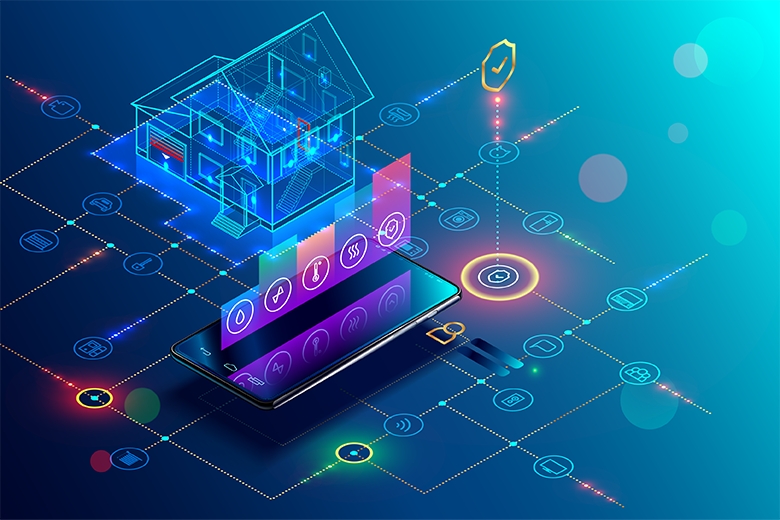
As every device that each individual uses is connected to the internet, there might be a risk in disclosure of data that are private and confidential. It is important to know what information can be shared and also, take security measures for data protection. Things like allowing location sharing in a mobile application is already a first step of providing your personal information to others. Hence, confidential information is not 100% safe as it could be hacked by a third party undoubtedly.
How does IoT and Big Data benefit businesses?
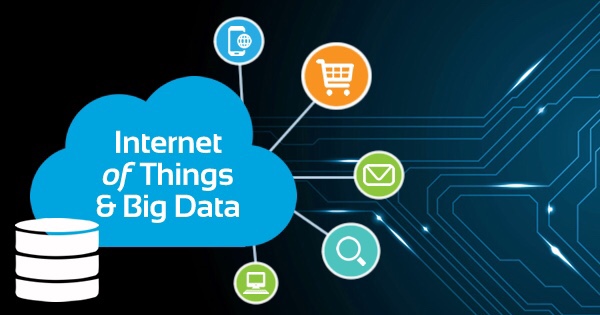
Big Data is a large amount of unstructured, structured or semi structured data and examine those data to obtain insights of business trends.
IoT and Big Data are link closely which creates impact for each other, as IoT grows it increases the demand on businesses concerning big data capabilities. IoT and Big Data comes together to help companies examine, reveal trends, discover unseen patterns, discover hidden correlations and disclose new information required.
Businesses are able to collect data through area of research, which allows them to better understand the needs of their potential customers. Hence, Big Data is an important information that any businesses can acquire.
With that said, Internet of Things and Big Data creates an impact in our daily lives in terms of efficiency, convenience and time-saving. Also, together they are both beneficial for businesses. However, what we need to be wary of is the security threats.
What are some of our expectations and thoughts about the emerging IoT industry?
 Angela's Digital Marketing Blog
Indeed! IoT and Big Data have placed an important part of our daily lives! Being able to store and extract various information on the internet has made it convenient for users to access. Speaking of which, as most of the people in the world has more valuable stored in their phones than the web itself, do you think it is safe for everyone to have their personal information stored online?
LikeLike
Hey Junior! Thanks for sharing with me your thoughts! In response to your question, I would say no, it is definitely not safe for everyone to have their personal information stored online! Safeguarding your information will protect you from identity theft, which is when others steal your financial information or addresses, and this could lead to fraudulent charges on your credit card. So some steps to protect you from identity theft would be to create strong passwords for your account, set firm privacy such as only allowing your close friends to view your profile and post, avoid oversharing on social media and close online accounts that are not in use. Stay observant and follow the following steps and your data that is private will stay that way! 🙂
LikeLike
Interesting post you got here! It is amazing how technology has evolved with more people depending on the Internet for their daily basis. Personally, I feel that with such advanced technology and the world moving towards a digitalised future, IoT devices are bound to grow and the improvement from 4G to 5G would be further developed. However, with such good opportunities comes greater risk. Do you think it is possible to have more security to block unwanted access such as scams and hack? With technology improving tremendously, do you think the internet would be dangerous platform for people to use?
LikeLike
Hey Jarrett! I believe that as technology improved, there are definitely many ways to block unwanted access, you can start off by being more vigilant and protect your personal information by creating stronger passwords and do not overshare!
According to an article from https://brandongaille.com/38-important-internet-safety-statistics/ it stated that 95% of social media users have witnessed cruel behaviour on the internet and also seen many other users ignore it.
LikeLike
Many thanks to another wonderful post of yours! The effect of the Internet and digitalisation is truly amazing and has evolved the world. While smart homes and wearables already exist, would you think its possible for a country like Singapore to be a smart city given its powerful development over the years and striving to move towards a digitalised country? Should you think a smart city isn’t possible, with the advancement of IoT, how do you think Singapore would utilise this and turn out to be in the future?
LikeLike
According to https://www.straitstimes.com/singapore/singapore-must-stay-open-and-inclusive-to-thrive-in-digital-age-iswaran to thrive in a digital age, Singapore responded that we need to stay open to seize the opportunities and grow the pie! So I believe that it is possible for our country to move towards a digitalised country one day if that is what the world is working towards!
LikeLike
As our data is being exposed and examine by the internet. There are people online who is out to simply cause trouble such as hacking or sending viruses. What are there ways to prevent it from happening?
LikeLike
Hey Xinyi! Here’s how you can prevent it, install decent anti-virus and firewall software and turn it on! BAck-up important data on your external hard drive or USB. Do not overshare your personal information online, be vigilant with emails and messages that asked for your account information because this is the easiest ways for passwords to be nicked! Log in to accounts only from your own gadgets, do not use public shared device or make sure you log out afterwards. 🙂
LikeLike
I think that with the ever-developing era that we are living in, IoT is bound to take over our lives, not entirely right now, but definitely in the future. I personally have a Google home and an Alexa device, however due to the costs of all other complementary devices, we have yet to be able to link up everything. When do you think we will reach a stage whereby we will be entirely dependent on these devices?
LikeLike
Hi Charmaine, I personally feel that we won’t reach the stage whereby we will entirely depend on these devices, as I feel that we still need a degree of the human touch in our lives. Especially when there are some things that digital devices can never replace! For instance, your daily life necessities, digital devices are unable to feed you your meals, help you shower and more.
LikeLike