The Dark Web: Privacy Invaded, Bots, Fake Followers, Influencer Fraud?!

Image result for security and privacy on internet

Internet privacy is also known as online privacy and a part of data privacy. Basically means you are entitled to personal privacy when you provide your personal information on the internet, and it can be personally identifiable information (PII) and non-personally identifiable information, in other words, it can be your behavior on social media.

Do you actually know that whatever we provide on our social media such as Facebook, Instagram or Twitter profile has created an identity that can be capture or stolen in a short time frame?A report found that, 78% check for potential places through social media platforms and 74% uses Google Street View to find out the property before robbing your house!

Many hackers are actually tech-savvy thieves and money may not be their only motives. Some hackers motives is to attack their business or personal rivals, and some may even do it out of curiosity or for fun. So, with all these various motives, anyone of us could end up as a target.

How do hackers hack? They could simply use automated bots to gather websites for information and it is stated that almost 10% of all the website traffic is made up of automated bots. These hackers liberate bots to help with searching of websites for its weaknesses and exploit them.

So do you really want to share details such as your email address, birth date or contact number that hackers could easily gain access to change your password? Just so you would receive heartwarming birthday messages? I think it’s totally not worth the risk.

However, not all bots are bad. Businesses often use bots to stimulate interactions with people.

How Conversational Chatbots Marketing is the Future of eCommerce

Here are three types of twitter bots:

  1. Scheduled bot – posting messages at a specific time. For instance, the Big Ben clock.
The Unofficial Twitter Account of Big Ben is Ridiculous | The Mary Sue

2. Watcher bots – observe other twitter accounts or websites to see if there are any changes.

3. Amplification bots – boost contents by liking and retweeting tweets sent by existing client that purchase their services and may boost client’s popularity just by retweeting their tweets.

So from here, it brings us to how many fake followers are there? As we all know that influencer with larger amount of followers enables brands that they work with to reach more people. Hence, it is reasonable that an influencer with more followers usually charge more for a post/advertisement. However, are those real or fake followers? Because as the social media industry grows rapidly, it is driving people to set up “follower bots” (a software that function for your account to follow, comment and even like other accounts automatically to gain attention). So, it is possible for some influencers to buy fake followers in order to increase their numbers so as to gain benefits and to be seen as popular. This is why brands are becoming more cautious when it comes to selecting influencer to recommend their products, because working with self-claimed influencers with no real audience can cause potential damage to a brand’s campaign.

Instagram feed of fake influencer wanderingggirl
Source: Mediakix

A team at Mediakix has performed an experiment to prove that becoming a fake influencer is not difficult. The team created two fake accounts that has proven that they are able to gain a large amount of followers easily and how people could possibly do it with bad intention to commit influencer fraud. (FYI: these accounts are no longer exist.)

How do businesses/brands spot fake influencers?

1. Take a look at the engagement ratio with follower

Influencer Fee analysis showing engagement rate of Alexa Chung
Source: sproutsocial

Usually, fake influencers have low engagement rate with their followers taking into consideration that their huge follower count. You can simply just compare their engagement rate to their following size or use tools such as influencer fee to calculate for you. Fake followers usually does not engage with the content posted by influencers.

2. Analyze engagement quality

Go through the comments section of the influencer’s content, if the comments are mostly irrelevant to the post, especially generic comments such as “amazing shot”, “nice picture”, then there is chance most of them are fake bots or followers that left a comment.

Source: Imjennim Instagram

Above picture, is a good example of a real influencer with real followers. As you can see, the comments are relevant to the picture being shown and what more is followers prompt questions, instead of just emojis or generic comments.

3. A sudden increase in follower count

Another sign could be there is an unexpected spike in follower count, it could be resulted from bot accounts when people buy them to get more followers.

Things You Should Know Before Buying Instagram Followers - Ripple ...
Source: Google

A sudden rapid increase of followers can be suspicious as most of the time, authentic influences gain followers at a steady growth and a decrease of follower once in a while.

Businesses/brands can use tools such as Creator Statistics Tool to examine the follower growth of potential influencer that they are considering to engage.

4. Analyze audience quality

Source: IG Audit

Finally, the quality of an audience allows you to find out the legitimacy of their influence. There are tools like IG Audit to help analyze an Instagram account. For instance, it shows the estimation of real followers the influencer has.

In conclusion, there are so many things we need to know and learn about the internet now. It is critical for us to know the risk of sharing too much personal information and companies for identifying real prospects before working with them.

So what are your thoughts about sharing your personal profile online and influencer fraud? Do share with me in the comment section! 🙂

HOW DO IMC HELP BUSINESSES?

What is a Marketing Campaigns?

Image result for campaign

It is basically a strategy to help businesses promote products and reach customers through various media platforms such as radio, television, newspapers and online platforms.

In today’s data-driven world, developing an iconic marketing campaign could possibly mean going viral. While the medium has changed, the need for getting attention drives purchases and the diversion of people’s impression with a brand or company is still vital.

Why is it so important??

1. Increase Brand Awareness

A good campaign generates positive word of mouth, with the medium used to advertise your brand, it exposes the audience to your brand & people start to notice it and become familiar with your brand and products. If they like it, they will start sharing it with their friends and family, which helps to boost awareness.

2. Attract new potential customers

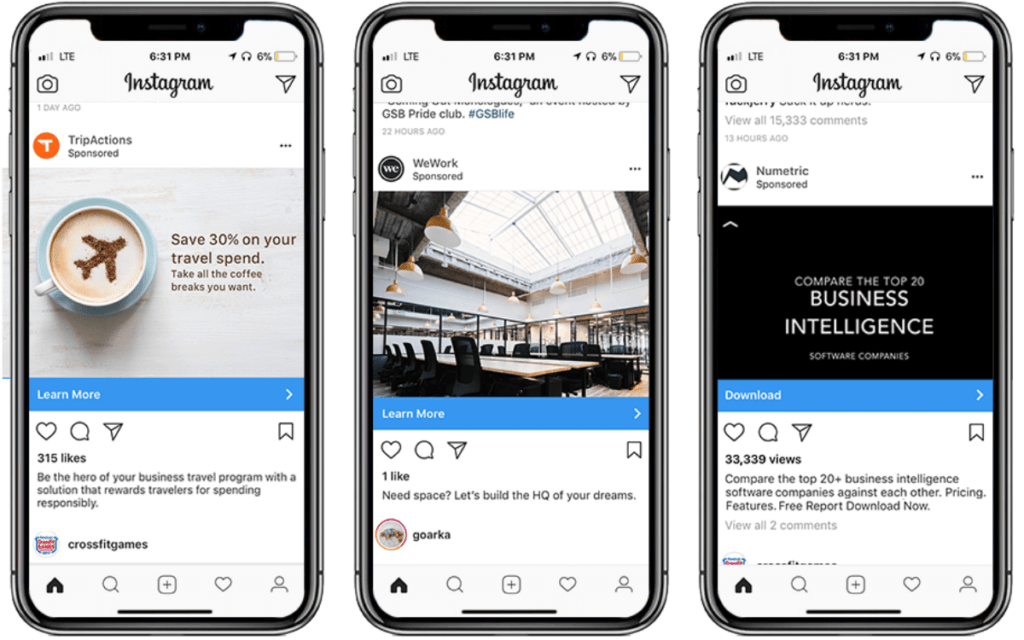
b2b businesses instagram ads

How many of you have come across a specific Instagram advertisement over and over again, to the point where you’ve come to recognize the brand?

It is easy to forget about the ONE advertisement we saw while scrolling through Instagram, but if we were to be exposed to the advertisement more than once and the product attracts your attention, you will be enticed to it and the next thing you know is you’re at the checkout section 🙂

Online marketing allows brands to gain access to a wide range of customers that they wouldn’t usually be able to reach, however, the right campaign will capture them. Hence, with a substantial marketing campaign that is engaging, it helps to boost positive attention.

7 TIPS TO ACHIEVE A SUCCESSFUL MARKETING CAMPAIGN

1. Define your Objectives & Goals

Ensure that your goals are fully aligned and all your team members are on the same page. Keeping your objectives and goals in mind is vital as it allows you to better assess the effectiveness of your campaigns after the launch.

2. Set Campaign Budget

After setting the objectives & goals for your campaign, you will need to decide on a budget. Identifying your target audience spending power allows you to estimate your return of investment. It is crucial to set a realistic budget that is sufficient to communicate your message to the audience effectively and still sustain your profit margins. Hence, setting a budget gives you a guide on how to plan wisely on the campaign while still meeting your objectives.

3. Identify your target audience

A marketing campaign can expose your brand’s product/services to a diversity of demographics, however, not everyone will be interested in it. So identifying who are your intended audience is beneficial as it helps you to create your content that will draw the attention of potential customers.

4. Create and Design your Marketing Content

A clear and consistent content is vital so that it can be easily adaptable and suit different media and channels. For instance, you need to “speak the language” of that channel such as Facebook, Twitter or Instagram as the way we communicate with consumers on these channels may differ. Being clear and consistent will allow you to better convey your message to the consumers.

5. Choose your channels

After identifying your targeting audience, you will have to find out the medias that they uses the most as and how these medias align with your goals and budget. For instance, if you would like to increase online sales, social media might be effective, or if you want to increase foot traffic for promotions, then newspaper or television might work.

6. Launch the campaign and keep a close eye on metrics

You will need to monitor the KPIs for your goal and benchmarks of your campaign. Also, carry out regular reports to keep a accurate insight on the campaign’s performance.

7. Analyze the results and make notes for future campaigns

Lastly, do monitor the results of the different media used throughout the campaign. For instance, calculating how many people have clicked on your online advertisement, or uses the coupon from the newspaper.

At the end of the campaign, you should have solidified numbers that indicate what worked and what didn’t. You will expect some outcomes that might be helpful for you and that you can apply them in your future marketing campaigns.

Successful Marketing Campaign Examples!!

1. Nike: Just Do it

In 1988, Nike introduced their ubiquitous slogan “Just Do It” campaign, featuring professional and amateur athletes sharing their achievement and the passion they get when they exercised. Their stories have evoked emotional responses from the viewers and inspired a positive feeling in the customers. This campaign was so powerful that it has helped Nike generate a sales of $800 million and topped $2 billion within a decade. Till today, Nike’s “Just Do It” as a core message is still working.

2. Pepsi: Is Pepsi OK?

Pepsi uses celebrity endorsements for this campaign in 2019. Pepsi took a bold action to face their rivals head-on by addressing the frequently asked question. This new strategy and tactic have drawn the attention of many viewers which made the advertisement gone viral as soon as it is being aired.

The purpose of this advertisement is to convey a message to the audience that they have been around for more than 100 years and still strong as ever, even though their Coca Cola competitor has a higher market share in the market.

Share with me what are some of the successful marketing campaign you have come across?

“Google is your best friend”

How many of you have heard of this phrase?

Image result for SEO
Source: https://mangools.com/blog/learn-seo/

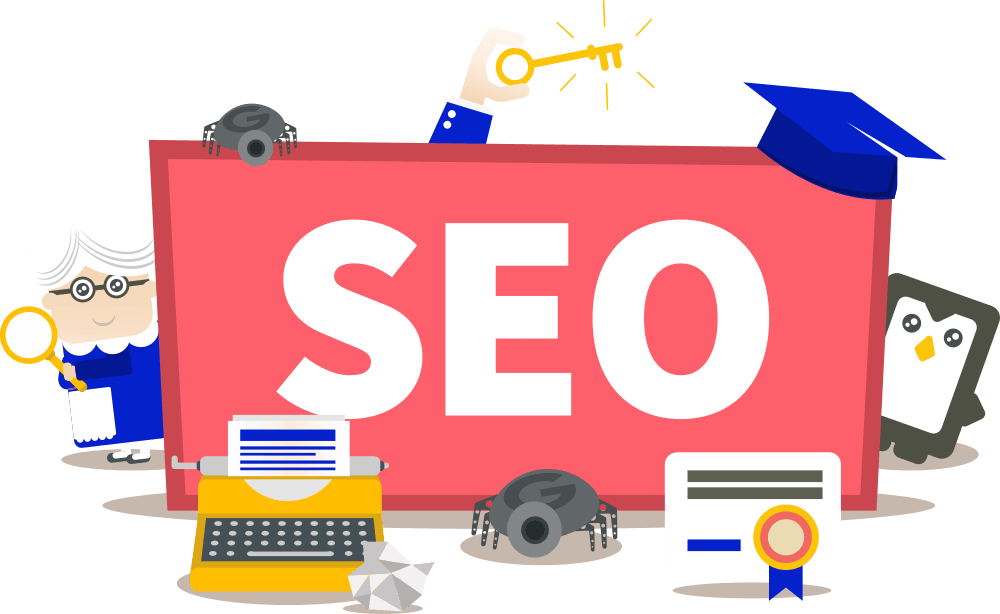
SEO also known as Search Engine Optimization, it is the process of optimizing the website to allow users to easily reach their desire findings via search engines such as Google. However, different countries/regions have their own prominent search engines.

I believe SEO is no stranger to many of us, especially for marketing students. How many times have you heard about this phrase “Google is your best friend” or “Just Google it”. Do you know that Google processes an average of over 40,000 searches every second which leads to 3.5 billion search queries per day and a total of 1.2 trillion searches per year? To further support my point, I just googled this.

Black hat vs White hat

Image result for black hat SEO vs White hat SEO
Source: DigitalReady

There are two different techniques that businesses take to optimize their websites for search engines – Black hats vs. White hats SEO.

Image result for internet spamming

Black hat SEO – It is a strategy used to achieve higher search rankings by violating search engine rules. It is used by companies that are looking for a short-term rapid financial return instead of long-term investment on their website. (E.g. using keyword stuffing, hidden texts/links, spamming, etc.)

Image result for quality content blog

In contrast to black hat SEO, white hat SEO practices integrity utilization of a search engine by using keywords, quality content and creating a user-friendly website. Companies that utilized white hat SEO are more likely to result in a long-term investment on their website. Additionally, creating quality content is vital as it displays uniqueness and appropriateness of the site on search engines.

Undoubtedly, we should avoid using the black hat technique as this unethical and illegal strategy will potentially damage the company’s image and reputation, the search engine could possibly ban the website once it captures any black hat methods used with the assistant of search engine algorithm.

Paid Search Marketing (PPC)

Source: ppcmate

Paid search marketing works on a pay-per-click model whereby advertisers pay whenever people click into their advertisement and visit their website.

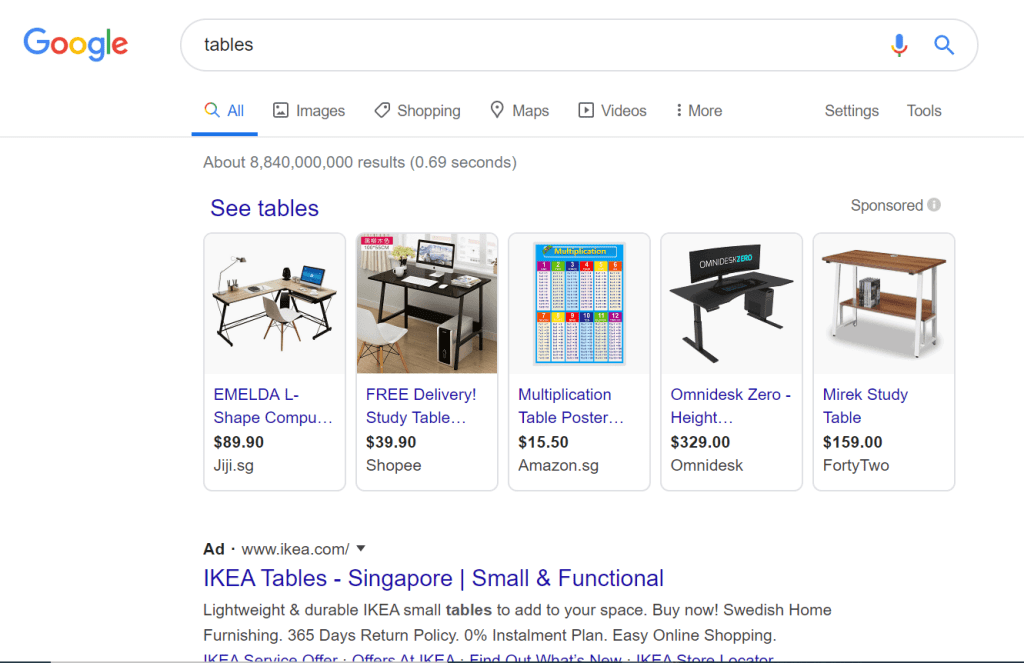
For example, when you search for tables on Google, you will see the paid search results at the top of the page with the sponsored label. The first product that appears on the page would usually mean that the listed company pays more than the other companies whenever people click their product and enter their website.

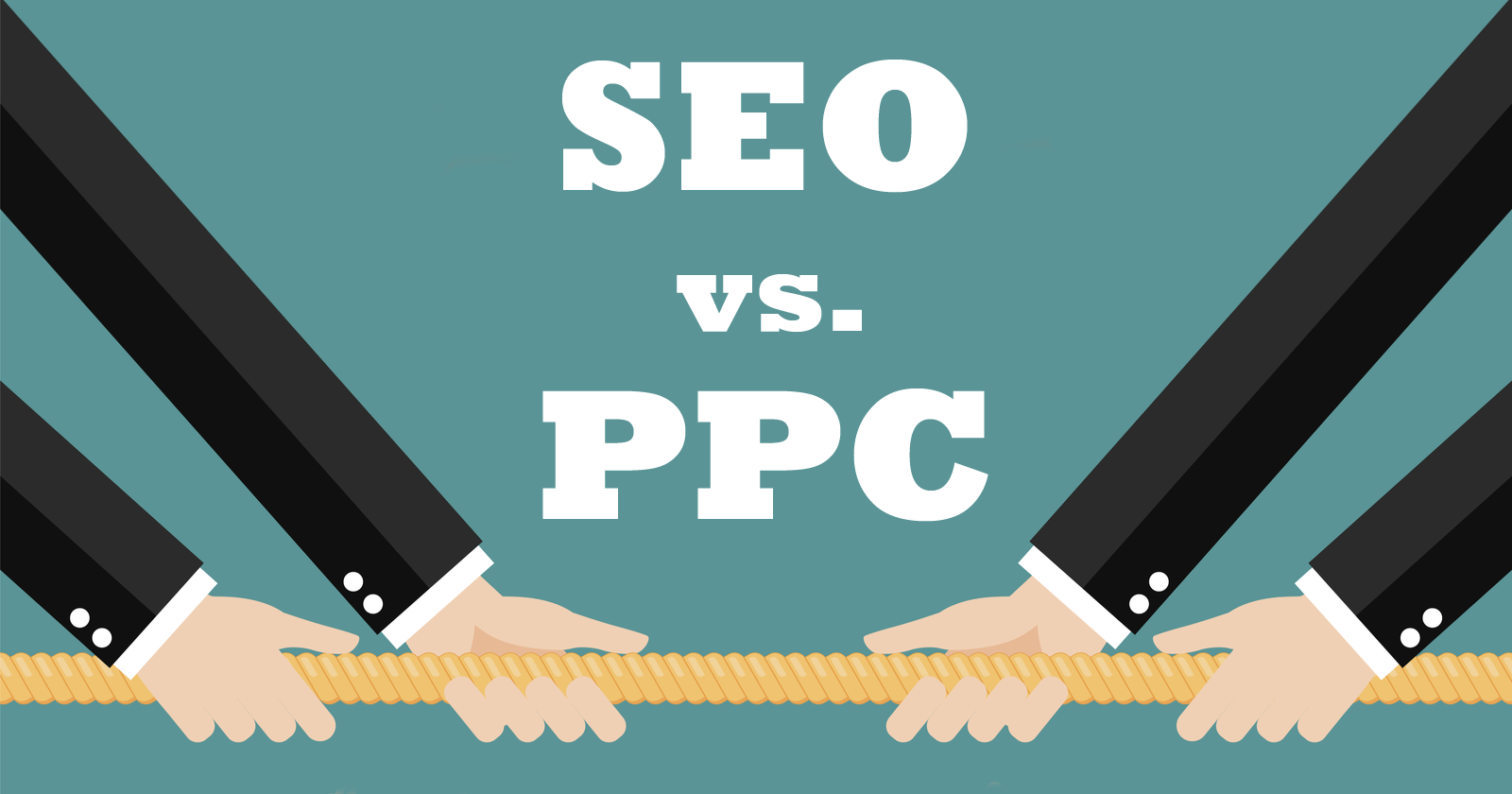
SEO vs PPC: which is better?

This is a commonly asked question by businesses. However, there is no definite answer to this question, because it really depends. While PPC helps a company to achieve its goals it aims to accomplish, SEO also make the website visible by generating more traffic and opportunities which transforms prospects into customers. The best businesses often use both PPC and SEO as they complement each other. Furthermore, both methods are beneficial, so why not do both?

With that being said, SEO is of great significance for any business as it helps to create brand awareness, positioning and build a relationship with prospects. However, it is advisable to comply with the guidelines of search engines, so that business can ensure a lasting growth and safety of their website.

Thanks for reading and feel free to share with me your thoughts! I’ll see you in my next post! 🙂

IoT & Big Data

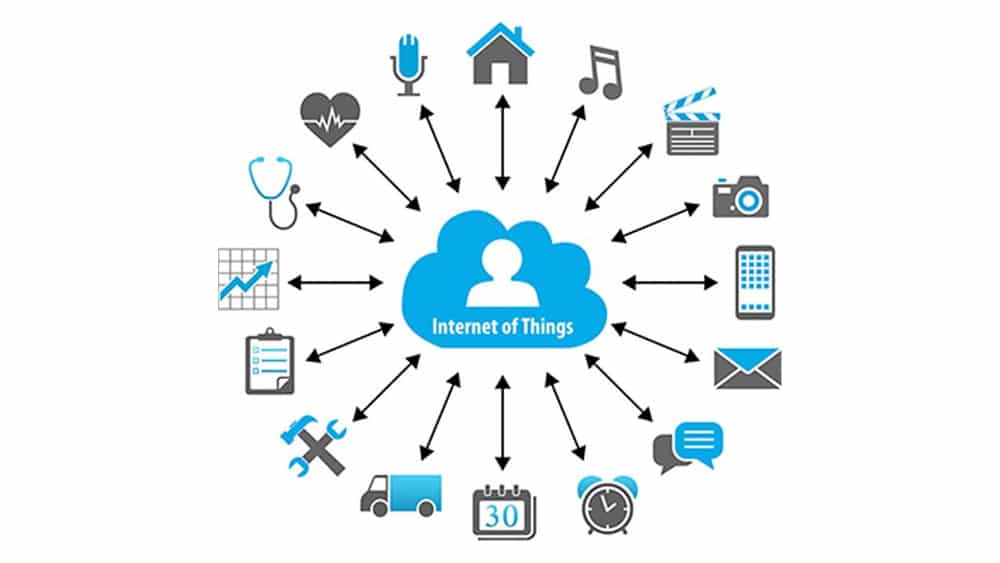
Internet of Things is a basic concept of connecting any devices with an on and off switch to the internet, inclusive of things like mobile phones, wearable devices, coffee machine, lamps and many more that you can think of.

Life has been made easier thanks to the Internet of Things (IoT), but is it actually a good or bad thing?

Simple things like switching on the air-con, lights, fans can be easily done by automation now due to the advanced technology. However, as technology advances day by day, is it making us humans productive or actually lazier and over-reliant on technology that we lose touch with ourselves and others??

Advantages of IoT

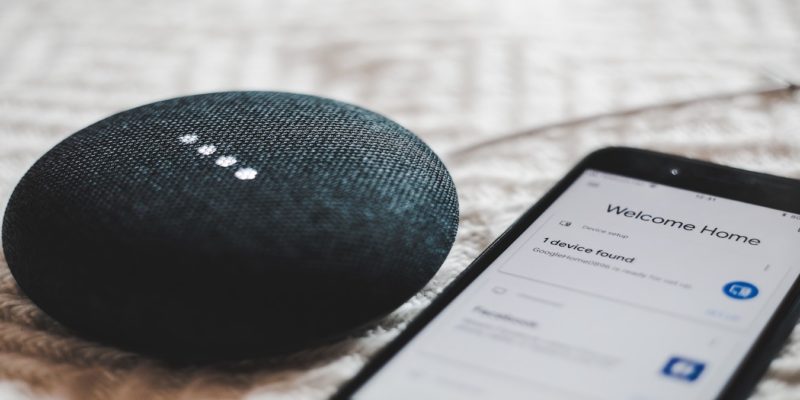
Image result for iot smart assistant

We can’t deny the fact that how the Internet of Things provides information and convenience for many of us and helped in time-saving and ease worries.

There are so many things going through our mind every day, we barely even remember what we did yesterday. Isn’t it convenient receiving what you ordered online at your doorstep when you reach home from work after a long day? Or speaking to smart speakers such as Alexa or Google Assistant to arrange your groceries list so it saves time when you stroll the isles of the supermarket without forgetting what you want to get?

Image result for alexa device speaking

“Alexa, turn on the lights”, “Alexa turn on the TV”, “Alexa add instant noodle to my shopping list” “Alexa…, Alexa…, Alexa…..”

The fine line between convenience and laziness.

Who doesn’t enjoy being able to answer the doorbell without moving your butt out of the couch/bed, or ordering food delivery with your mobile phone from outside and receive it once you reach home? Convenience is making us lazy! But we can’t deny that we love it.

Disadvantages of IoT

However, there’s always pros and cons of everything. While IoT is excellent in storing data in devices to provide convenience and time-saving, but there are some concerns that IoT has such as security, dependability, complexity and more.

Image result for security IoT

As every device that each individual uses is connected to the internet, there might be a risk in disclosure of data that are private and confidential. It is important to know what information can be shared and also, take security measures for data protection. Things like allowing location sharing in a mobile application is already a first step of providing your personal information to others. Hence, confidential information is not 100% safe as it could be hacked by a third party undoubtedly.

How does IoT and Big Data benefit businesses?

Source: whiszlabs

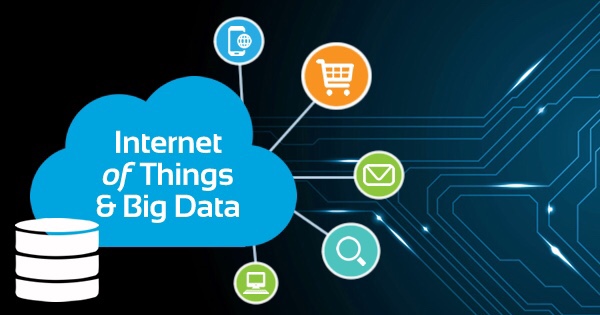
Big Data is a large amount of unstructured, structured or semi structured data and examine those data to obtain insights of business trends.

IoT and Big Data are link closely which creates impact for each other, as IoT grows it increases the demand on businesses concerning big data capabilities. IoT and Big Data comes together to help companies examine, reveal trends, discover unseen patterns, discover hidden correlations and disclose new information required.

Businesses are able to collect data through area of research, which allows them to better understand the needs of their potential customers. Hence, Big Data is an important information that any businesses can acquire.

With that said, Internet of Things and Big Data creates an impact in our daily lives in terms of efficiency, convenience and time-saving. Also, together they are both beneficial for businesses. However, what we need to be wary of is the security threats.

What are some of our expectations and thoughts about the emerging IoT industry?